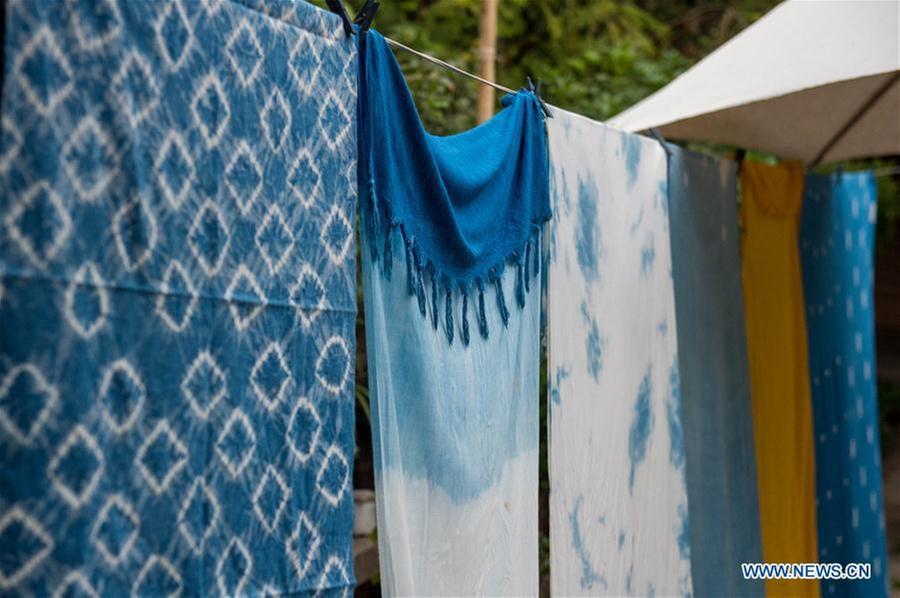
Tie-dye Technique
Introduction
Tie-dye is a traditional textile art form that involves creating patterns on fabric through a process of folding, twisting, pleating, or crumpling cloth and binding it with string or rubber bands, followed by the application of dye. The term "tie-dye" originates from the method of tying sections of fabric in various ways to achieve distinctive patterns after dyeing. This ancient art is celebrated for its vibrant colors and intricate designs, often inspired by nature or cultural symbols. Tie-dye has a rich history and is practiced in various cultures worldwide, each with its unique techniques and styles.
History
The history of tie-dye dates back centuries, with evidence of its use in ancient cultures in China. Tie-dye, known as "zha ran," was popular during the Tang (618-907) and Song (960-1279) dynasties. The technique involves tying cloth in intricate patterns and then immersing it in dye, a process that results in distinctive designs.
The art of tie-dye eventually spread to other parts of Asia, Africa, and the Americas, each adopting and adapting the method to suit local materials and cultural aesthetics. In Japan, a similar method called "shibori" has been practiced since the 8th century, involving various techniques like folding, twisting, and stitching to create elaborate patterns. In Africa, the Yoruba people of Nigeria developed a tie-dye technique called "adire," using resist-dyeing methods with indigo dye, which became a significant part of their textile traditions.
Process
Materials
The materials used in tie-dyeing are crucial to achieving the desired effects and patterns. Traditionally, natural fibers like cotton, silk, and linen are preferred because they absorb dyes more effectively than synthetic materials. The choice of fabric can influence the texture and intensity of the colors.
Dyes used in tie-dyeing can be natural or synthetic. Natural dyes are derived from plants, minerals, and insects, and include substances like indigo, turmeric, and cochineal. Synthetic dyes, such as fiber-reactive dyes, are more commonly used today due to their ease of use, vibrant colors, and ability to bond with fibers at the molecular level, resulting in long-lasting effects.
Techniques
Tie-dye techniques vary widely, depending on cultural traditions and desired outcomes. Common techniques include:
Spiral: The fabric is twisted into a spiral shape and sections are bound with string or rubber bands before dyeing, creating a spiral pattern.
Crinkle: The fabric is crumpled and tied, resulting in a random, marbled effect.
Stripe: The fabric is folded accordion-style and tied in sections to create stripes.
Patterns
Tie-dye patterns are as diverse as the cultures that practice the art. Common motifs include geometric shapes, floral designs, and abstract forms. In many cultures, specific patterns hold symbolic meanings and are used in traditional garments and ceremonial attire.
Cultural Significance
Tie-dye holds significant cultural importance, serving as both an artistic expression and a medium for cultural storytelling. In China, tie-dye is considered a vital part of the nation's artistic heritage, with specific techniques passed down through generations. These techniques have historically been used to create clothing and home textiles, symbolizing beauty and prosperity.
Among the Bai ethnic group in China's Yunnan province, tie-dye is more than just a craft; it embodies a lifestyle and philosophy of harmony with nature. The Bai people's tie-dye practices are deeply tied to their cultural identity and traditional way of life, reflecting their reverence for natural materials and sustainable living.
Global Influence
The technique's vibrant colors and unique patterns have inspired designers and artists internationally, leading to collaborations that blend traditional methods with contemporary styles. Fashion designers have incorporated tie-dye into high-end collections, while artists have used tie-dye techniques to create abstract and experimental artworks.
In recent years, the global fashion industry has seen a renewed interest in sustainable and ethical practices, leading to a resurgence of traditional textile arts like tie-dye. This revival is not only about aesthetics but also about promoting cultural heritage and supporting artisan communities worldwide.
Modern Applications
Today, tie-dye is used in a wide range of modern applications, from fashion to interior design. The technique's versatility allows for endless creative possibilities, making it a popular choice for artists, designers, and DIY enthusiasts alike.
In fashion, tie-dye has made its way into both casual and haute couture collections, with designers experimenting with new materials, colors, and patterns. Tie-dye garments, accessories, and footwear are widely available, appealing to consumers seeking unique and handmade products.
Beyond fashion, tie-dye is used in interior design to create textiles for home decor, such as curtains, pillowcases, and wall hangings. The art form's organic and vibrant aesthetic adds a touch of bohemian flair and individuality to living spaces.
Preservation and Revival Efforts
Efforts to preserve and revive traditional tie-dye techniques are underway. In China, initiatives are being implemented to integrate traditional tie-dye into modern industries, ensuring its continued relevance and sustainability. Educational programs and workshops are being organized to teach younger generations the skills and cultural significance of tie-dye, fostering a sense of pride and ownership in their heritage.








